์—ฐ๊ตฌ์šฉ

Lycorine hydrochloride ADC Cytotoxin inhibitor

์ œํ’ˆ ๋ฒˆํ˜ธS3800

Lycorine (Galanthidine, Amarylline, Narcissine, Licorine), a natural alkaloid extracted from the Amaryllidaceae plant family, has been reported to exhibit a wide range of physiological effects, including the potential effect against cancer. It is an HCV inhibitor with strong activity.
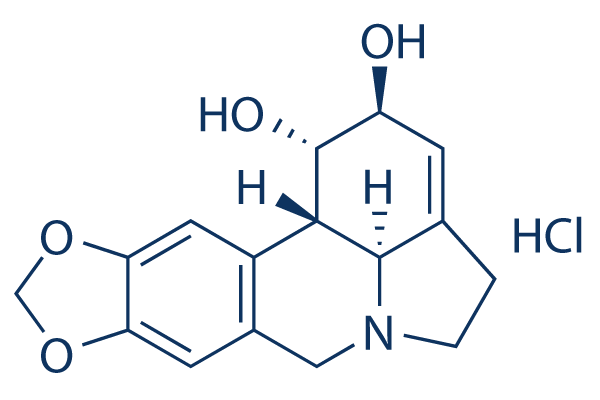
Lycorine hydrochloride ADC Cytotoxin inhibitor Chemical Structure

ํ™”ํ•™ ๊ตฌ์กฐ

๋ถ„์ž๋Ÿ‰: 323.77

๋ฐ”๋กœ๊ฐ€๊ธฐ

ํ’ˆ์งˆ ๊ด€๋ฆฌ (Quality Control)

๋ฐฐ์น˜: ์ˆœ๋„: 99.81%
99.81

ํ™”ํ•™ ์ •๋ณด, ๋ณด๊ด€ ๋ฐ ์•ˆ์ •์„ฑ (Chemical Information, Storage & Stability)

๋ถ„์ž๋Ÿ‰ 323.77 ํ™”ํ•™์‹

C16H17NO4.HCl

๋ณด๊ด€ (์ˆ˜๋ น์ผ๋กœ๋ถ€ํ„ฐ)
CAS ๋ฒˆํ˜ธ 2188-68-3 SDF ๋‹ค์šด๋กœ๋“œ ์›์•ก ๋ณด๊ด€

๋™์˜์–ด Galanthidine hydrochloride, Amarylline hydrochloride, Narcissine hydrochloride, Licorine hydrochloride Smiles C1CN2CC3=CC4=C(C=C3C5C2C1=CC(C5O)O)OCO4.Cl

์šฉํ•ด๋„ (Solubility)

In vitro
๋ฐฐ์น˜:

DMSO : 65 mg/mL (200.75 mM)
(์ˆ˜๋ถ„์œผ๋กœ ์˜ค์—ผ๋œ DMSO๋Š” ์šฉํ•ด๋„๋ฅผ ๊ฐ์†Œ์‹œํ‚ฌ ์ˆ˜ ์žˆ์Šต๋‹ˆ๋‹ค. ์‹ ์„ ํ•˜๊ณ  ๋ฌด์ˆ˜ DMSO๋ฅผ ์‚ฌ์šฉํ•˜์‹ญ์‹œ์˜ค.)

Water : Insoluble

Ethanol : Insoluble

๋ชฐ๋†๋„ ๊ณ„์‚ฐ๊ธฐ

์งˆ๋Ÿ‰ ๋†๋„ ๋ถ€ํ”ผ ๋ถ„์ž๋Ÿ‰
ํฌ์„ ๊ณ„์‚ฐ๊ธฐ ๋ถ„์ž๋Ÿ‰ ๊ณ„์‚ฐ๊ธฐ

In vivo
๋ฐฐ์น˜:

์ƒ์ฒด ๋‚ด ์ œํ˜• ๊ณ„์‚ฐ๊ธฐ (ํˆฌ๋ช…ํ•œ ์šฉ์•ก)

1๋‹จ๊ณ„: ์•„๋ž˜ ์ •๋ณด ์ž…๋ ฅ (๊ถŒ์žฅ: ์‹คํ—˜ ์ค‘ ์†์‹ค์„ ๊ณ ๋ คํ•˜์—ฌ ์ถ”๊ฐ€ ๋™๋ฌผ ํฌํ•จ)

mg/kg g ฮผL

2๋‹จ๊ณ„: ์ƒ์ฒด ๋‚ด ์ œํ˜• ์ž…๋ ฅ (์ด๊ฒƒ์€ ๊ณ„์‚ฐ๊ธฐ์ผ ๋ฟ ์ œํ˜•์ด ์•„๋‹™๋‹ˆ๋‹ค. ์šฉํ•ด๋„ ์„น์…˜์— ์ƒ์ฒด ๋‚ด ์ œํ˜•์ด ์—†๋Š” ๊ฒฝ์šฐ ๋จผ์ € ๋‹น์‚ฌ์— ๋ฌธ์˜ํ•˜์‹ญ์‹œ์˜ค.)

% DMSO % % Tween 80 % ddH2O
%DMSO %

๊ณ„์‚ฐ ๊ฒฐ๊ณผ:

์ž‘์—… ๋†๋„: mg/ml;

DMSO ์›์•ก ์ค€๋น„ ๋ฐฉ๋ฒ•: mg ์•ฝ๋ฌผ ์‚ฌ์ „ ์šฉํ•ด ฮผL DMSO ( ์›์•ก ๋†๋„ mg/mL, ๋†๋„๊ฐ€ ํ•ด๋‹น ์•ฝ๋ฌผ ๋ฐฐ์น˜์˜ DMSO ์šฉํ•ด๋„๋ฅผ ์ดˆ๊ณผํ•˜๋Š” ๊ฒฝ์šฐ ๋จผ์ € ๋‹น์‚ฌ์— ๋ฌธ์˜ํ•˜์‹ญ์‹œ์˜ค. )

์ƒ์ฒด ๋‚ด ์ œํ˜• ์ค€๋น„ ๋ฐฉ๋ฒ•: ์ทจํ•˜๋‹ค ฮผL DMSO ์›์•ก, ๋‹ค์Œ ์ถ”๊ฐ€ฮผL PEG300, ํ˜ผํ•ฉํ•˜๊ณ  ํˆฌ๋ช…ํ•˜๊ฒŒ ํ•œ ๋‹ค์Œ ์ถ”๊ฐ€ฮผL Tween 80, ํ˜ผํ•ฉํ•˜๊ณ  ํˆฌ๋ช…ํ•˜๊ฒŒ ํ•œ ๋‹ค์Œ ์ถ”๊ฐ€ ฮผL ddH2O, ํ˜ผํ•ฉํ•˜๊ณ  ํˆฌ๋ช…ํ•˜๊ฒŒ ํ•ฉ๋‹ˆ๋‹ค.

์ƒ์ฒด ๋‚ด ์ œํ˜• ์ค€๋น„ ๋ฐฉ๋ฒ•: ์ทจํ•˜๋‹ค ฮผL DMSO ์›์•ก, ๋‹ค์Œ ์ถ”๊ฐ€ ฮผL ์˜ฅ์ˆ˜์ˆ˜ ๊ธฐ๋ฆ„, ํ˜ผํ•ฉํ•˜๊ณ  ํˆฌ๋ช…ํ•˜๊ฒŒ ํ•ฉ๋‹ˆ๋‹ค.

์ฐธ๊ณ : 1. ๋‹ค์Œ ์šฉ๋งค๋ฅผ ์ถ”๊ฐ€ํ•˜๊ธฐ ์ „์— ์•ก์ฒด๊ฐ€ ํˆฌ๋ช…ํ•œ์ง€ ํ™•์ธํ•˜์‹ญ์‹œ์˜ค.
2. ์šฉ๋งค๋ฅผ ์ˆœ์„œ๋Œ€๋กœ ์ถ”๊ฐ€ํ•ด์•ผ ํ•ฉ๋‹ˆ๋‹ค. ๋‹ค์Œ ์šฉ๋งค๋ฅผ ์ถ”๊ฐ€ํ•˜๊ธฐ ์ „์— ์ด์ „ ์ถ”๊ฐ€์—์„œ ์–ป์€ ์šฉ์•ก์ด ํˆฌ๋ช…ํ•œ ์šฉ์•ก์ธ์ง€ ํ™•์ธํ•ด์•ผ ํ•ฉ๋‹ˆ๋‹ค. ์™€๋™, ์ดˆ์ŒํŒŒ ๋˜๋Š” ๋œจ๊ฑฐ์šด ๋ฌผ ์ค‘ํƒ•๊ณผ ๊ฐ™์€ ๋ฌผ๋ฆฌ์  ๋ฐฉ๋ฒ•์„ ์‚ฌ์šฉํ•˜์—ฌ ์šฉํ•ด๋ฅผ ๋„์šธ ์ˆ˜ ์žˆ์Šต๋‹ˆ๋‹ค.

์ž‘์šฉ ๋ฉ”์ปค๋‹ˆ์ฆ˜ (Mechanism of Action)

์‹œํ—˜๊ด€ ๋‚ด(In vitro)
Lycorine not only possesses strong pharmacological effects on many diseases, including anti-leukemia, anti-tumor, anti-angiogenesis, anti-virus, anti-bacteria, anti-inflammation, and anti-malaria, but also exerts many other biological functions, such as inhibition of acetylcholinesterase and topoisomerase, suppression of ascorbic acid biosynthesis, and control of circadian period length. Lycorine inhibits cell proliferation and induces cell apoptosis in acute myeloid leukemia (AML) cell line HL-60, monocyte leukemia cell line U937, and T-cell leukemia cell line Jurkat. Lycorine also blocks multiple myeloma KM3 cell cycle, induces K562 cell-cycle arrest at the G0/G1 phase and suppresses tumorigenesis and the growth of various tumor cells, including melanoma C8161, ovarian cancer Hey1B, lung cancer A549, glioblatatoma U373, and esophageal cancer OE21. Lycorine can inhibit protein synthesis in eukaryotic cells, and acetylcholinesterase activity.
์ƒ์ฒด ๋‚ด(In vivo)
Lycorine exhibits its numerous pharmacological effects on various diseases with very low toxicity and mild side effects. In vivo studies, lycorine effectively inhibits tumor growth in several mouse xenograft models. It effectively inhibits tumor neovascularization. Lycorine has trivial toxicity to normal cells and normal bodies. The animal toxicological experiments show that the 50% lethal death rate (LD50) of lycorine in mice is 112.2ยฑ0.024 mg/kg via intraperitoneal injection. The LD50 of lycorine in mice is 344 mg/kg via gastric lavage injection, suggesting that lycorine is very low toxicity in gastrointestinal administration. In vivo studies show that lycorine has linear plasma kinetics with a mean elimination half-life of 0.67 and 0.3 h after single s.c. and i.v. administration, respectively. The mean oral bioavailability is calculated to be about 40%. Biochemical and hematological parameters of safety studies indicate no pathological signs.
์ฐธ์กฐ